High performance heat transfer solutions to meet your industry needs
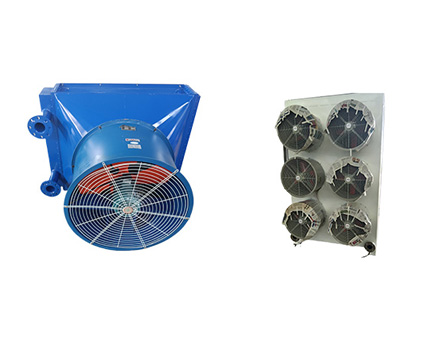
product details
High heat dissipation efficiency: The air passes through the cooled object or heat sink first, which can more directly take away the heat. Compared with blowing, it has a higher utilization rate of wind, more concentrated air volume, faster heat dissipation, and can improve the heat dissipation effect of the cooler.
Uniform airflow distribution: It can make the airflow more evenly pass through components such as heat sinks or cooling bundles, so that the entire cooling surface can receive sufficient cooling, which is conducive to precise temperature control. For some equipment or processes that require high temperature control, this is a very important advantage.
Reduce dust accumulation on the surface of equipment: As the air passes through the cooled object before being sucked into the fan, it can to some extent reduce the accumulation of dust and other impurities on the surface of the equipment. In contrast, the blowing method may directly blow dust from the surrounding environment onto the surface of the device, and long-term accumulation may affect the heat dissipation effect and device performance.
Relatively low noise: The fan of the suction type air cooler is usually installed at the end of the air flow. Compared with the blowing type fan, the noise generated is relatively low, especially in some work environments with strict noise requirements. This advantage of the suction ventilation method is more prominent.
Strong adjustability: The suction fan generally has multiple wind speed adjustment functions, which can be flexibly adjusted according to actual needs to adapt to different heat dissipation needs and working conditions, improving the flexibility of use